Office Removals in Barbican
If you are planning office removals in Barbican, you are likely already dealing with a long list of moving tasks: packing workstations, protecting equipment, coordinating staff, and making sure the business can get back up and running quickly. In a busy and well-connected part of central London, that takes more than a van and a few boxes. It takes a local team that understands how Barbican works, what kinds of buildings are common here, and how to move efficiently around narrow streets, managed entrances, loading restrictions, and shared access points.
Whether you are relocating a small office suite, moving a creative studio, or shifting a larger corporate workspace, the right removals service can make the difference between a stressful transition and a smooth one. A local service for office removals Barbican should support your timetable, safeguard your assets, and keep disruption to a minimum. It should also be practical for the area, because Barbican has its own mix of modern office spaces, residential towers, estate-managed buildings, and nearby commercial properties that all come with different access requirements.
This page is designed for real customers in Barbican who want a straightforward, reliable solution. You will find information about what is included, how the process works, what affects the cost, how to prepare, and why local knowledge matters. If you are ready to move, request a free quote or book your service now once you have a clear idea of your needs.
Why office removals in Barbican need local experience

Barbican is not the same as a business park on the edge of the city. The area is shaped by central London infrastructure, mixed-use developments, managed estates, and a steady flow of commuters, residents, and commercial traffic. That means a move here is rarely as simple as loading furniture at the kerb and heading off. Many buildings have specific booking windows, service lifts, reception procedures, or restrictions on where a removal vehicle can stop.
A team experienced in office removals in Barbican will understand the need to plan around building access, lift availability, and the practicalities of moving in a dense urban environment. If your premises are near Barbican Station, Farringdon, Moorgate, or around the City fringe, timing becomes even more important. Busy roads, delivery traffic, pedestrian movement, and nearby works can all affect how a move is carried out.
Local knowledge also helps with smaller details that matter on moving day. For example, some offices in the area are in purpose-built commercial spaces, while others are inside mixed-use developments or converted buildings. Different property types mean different moving approaches. A good removals team will adapt the plan to the building, not force the building to fit the plan.
Office moving services for Barbican businesses

Every office move is different, but most customers want the same core things: safe handling, efficient transport, and as little downtime as possible. Office removals should be organised in a way that works for your team, your building, and your business hours. That is especially important in Barbican, where some companies need to move outside standard office times to avoid affecting staff, tenants, visitors, or neighbouring businesses.
A professional removals service can usually support a wide range of workplace moves, including:
- Small office relocations
- Multi-floor office moves
- Studio and agency relocations
- Professional services offices
- Hybrid workspace transitions
- Internal office reshuffles
- Furniture distribution between locations
- Document and archive transport
For businesses in and around Barbican, a local moving team can also help with short-notice requirements, phased moves, and carefully timed removals that fit around your working day. If you are moving from a shared workspace, serviced office, or a larger commercial floorplate, it is important to choose a company that can handle the variety of items typically found in modern workplaces: desks, task chairs, monitors, filing cabinets, IT equipment, storage units, meeting tables, and sensitive documents.
What a good office removals service should include
A quality service is not only about transport. It should cover the practical stages of the move from the moment you start planning. Depending on your requirements, this may include a pre-move discussion, packing support, dismantling and reassembly of furniture, careful handling of IT assets, labelled loading, and delivery to the new site in an organised way.
Clear communication is also part of the service. You should know what is moving, when it is moving, how access will work, and what you need to prepare in advance. That level of clarity is especially useful in Barbican because office moves often have to work around other people sharing the same building or surrounding streets.
How the office removals process works
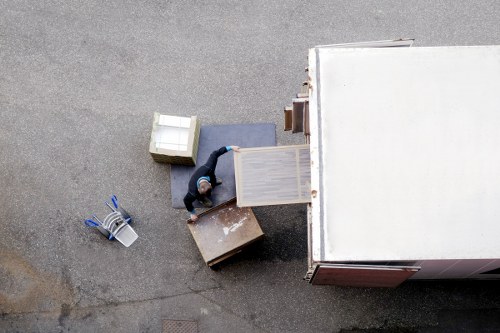
Many customers like to know what happens step by step before they book. The process for office removals in Barbican is usually arranged to reduce disruption and make sure nothing important is missed. While every move is different, the general stages are often similar.
1. Initial discussion and assessment
First, you explain what needs to move, when you want to move, and any access or building constraints. This may include details such as lift size, floor level, parking options, loading bay arrangements, stair access, and whether you need packing support. For larger jobs, a site visit or detailed inventory may be useful.
2. Planning and scheduling
Once the requirements are clear, the move can be scheduled to fit your business. Some companies in Barbican prefer evenings or weekends, while others need a carefully staggered move during office hours. The plan should reflect your operational needs.
3. Packing and preparation
If packing is included, items are organised into boxes, crates, and protective wrapping. Labels can help make unpacking easier at the destination. IT equipment, fragile items, and confidential files should be treated with particular care.
4. Dismantling and loading
Furniture may need to be dismantled before transport. Desks, shelving, and meeting tables are usually loaded in a logical order so they can be unloaded and reassembled efficiently. A skilled moving team will use protective materials to reduce the risk of marks, scratches, or breakages.
5. Transport and delivery
Items are moved to the new premises and delivered according to the agreed plan. Where needed, furniture can be placed in designated rooms or zones to help your staff get set up quickly.
6. Reassembly and final placement
Some removals services also provide reassembly of workstations and basic placement support. This is helpful when you want to return to business as soon as possible.
What makes Barbican office moves different?

Barbican has a character all of its own. It sits close to the City of London, and many customers moving here are operating in professional, finance, creative, or consultancy sectors. The buildings can be modern and well-managed, but they can also be particular about access, lift bookings, and move times. In some cases, you may need to notify building management well in advance, arrange security checks, or work within a very narrow delivery slot.
Parking and loading can be another challenge. In central London, it is rarely safe to assume there will be convenient space outside the door. A local removals company should plan for this with accurate timing and sensible vehicle positioning. If the building is in a busy part of the area, the move may need to be split into smaller loads or carried out with extra care to avoid congestion and delays.
Barbican also includes a mix of office users and residents nearby, so noise, timing, and handling around shared areas matter. A considerate moving team will work neatly, avoid unnecessary disturbance, and keep corridors, lifts, and entrances clear as much as possible. That kind of professionalism is valuable whether you are leaving a suite near the arts and business district or moving into a nearby area such as Clerkenwell, Moorgate, or St Paul’s.
Commercial and residential considerations
Although the main focus is office removals, many local customers also need support with mixed-use premises. For example, a company may be moving from a workspace inside a building that also contains residential units, or a director may be relocating a home office setup alongside business furniture. In these situations, a flexible local team is especially useful because they can manage different item types and access rules in one coordinated move.
It is also common for Barbican businesses to move between serviced offices, co-working spaces, and independent premises. These transitions often require efficient handling of a relatively modest volume of furniture and equipment, but the time pressure can still be high. Even a small office move can become complicated if computers, printers, filing, and desks are not organised properly. A good service keeps the moving day structured and calm.
Preparing for your office move

The smoother the preparation, the easier the move day. If you are organising office removals in Barbican, it helps to start planning early, even if your move is still a few weeks away. Good preparation means less confusion, fewer delays, and a lower chance of items being misplaced or damaged.
Here is a practical checklist that many customers find useful:
- Confirm your moving date and access times with the new and old buildings.
- Tell staff what is being moved and what they need to pack personally.
- Back up computers and secure any important digital data in advance.
- Sort documents and confidential files into clearly labelled containers.
- Remove personal items from desks and shared storage areas.
- Identify fragile equipment that needs special handling.
- Check whether any furniture needs dismantling before moving day.
- Arrange parking, loading, or permit requirements if necessary.
- Label boxes by department, room, or desk number where possible.
- Set aside essentials for the first day in the new office.
If your workplace has a lot of IT, client files, or specialist equipment, it can be helpful to nominate one person to coordinate the move on behalf of your team. That person can keep track of key items, answer questions, and make sure any building-specific rules are followed.
In Barbican, where office buildings can be busy and access may be controlled, a little preparation goes a long way. Book your service now once your move date is set, and make sure your chosen company has enough information to plan effectively.
Handling furniture, equipment, and sensitive items
Office removals involve much more than moving a few boxes. Most workplaces have a mix of bulky, fragile, and valuable items that need different handling methods. A professional team should be prepared to deal with standard furniture as well as the more delicate parts of an office setup.
Common office items moved in Barbican include:
- Desks and workstations
- Ergonomic office chairs
- Meeting room tables
- Storage cabinets and shelving
- Desktop computers and monitors
- Printers, scanners, and copiers
- Server-related equipment where appropriate
- Archive boxes and paperwork
- Presentation equipment
- Kitchen and breakroom furniture
IT and confidential materials deserve special care. If your business handles client records, financial paperwork, or internal documents, you should ask how these are packed, transported, and placed at the destination. A careful approach to data-bearing devices and sensitive files can help protect business continuity and reduce worry for your team.
Furniture dismantling can also save time and reduce damage during the move. Large desks, modular storage, and meeting tables often travel more safely when taken apart correctly and reassembled at the destination. If this is something you need, it is worth asking about in advance so it can be built into the plan.
Useful moving extras
Depending on the nature of your office, you may also want support with archive relocation, internal office rearrangement, or the movement of items between multiple floors. Some businesses choose to move in phases so work can continue with minimal interruption. That can be a smart option in a busy location like Barbican, where the building environment and access windows may be tight.
Why choose a local removals company for Barbican
There are many reasons local customers prefer a nearby team for office removals in Barbican. Local companies tend to understand the area’s pace, the routes that work best at different times of day, and the practical realities of moving in central London. They are also better placed to handle last-minute changes, because they know the local environment and can adapt quickly when access conditions change.
Benefits of choosing a local team include:
- Better understanding of local streets and access points
- Familiarity with nearby commercial buildings and estate requirements
- More suitable timing around central London traffic patterns
- Practical planning for loading, lifts, and building rules
- Flexible support for nearby business districts
- Less stress when working to a tight schedule
For businesses around Barbican, a local service can also be easier to coordinate with other nearby locations. If your team is moving between Barbican, the City, Clerkenwell, Farringdon, Moorgate, or other central London areas, one organised removals plan can support the whole transition. That is especially helpful if equipment needs to be moved from one office to another, or if you are temporarily relocating while refurbishments are completed.
Local experience is not just about distance. It is about making the move fit the area, the building, and the way your business operates. A dependable removals company should make things simpler, not add extra tasks to your list.
Pricing factors for office removals in Barbican
Customers often want to understand what affects the cost before they request a quote. While it is not helpful to guess exact prices, it is useful to know the main factors that influence office moving costs. That way, you can compare services more confidently and make informed decisions.
Typical pricing factors include:
- The size of the office and the amount of furniture
- The number of floors involved at each property
- Whether lifts are available or stairs must be used
- How much packing support you need
- Whether furniture needs dismantling and reassembly
- How far the new location is from the current one
- Access restrictions, parking limits, or loading complications
- Whether the move must happen outside standard hours
- The number of vehicles and crew members required
- Any special handling for IT, archives, or fragile items
In a central area like Barbican, access and timing can have a bigger impact than people expect. A move that looks straightforward on paper may take longer if the building only allows limited lift bookings or if parking is difficult. A trustworthy removals company should ask the right questions before quoting so the plan matches the reality of your premises.
If you want a more accurate estimate, be ready to share the office size, move date, building access details, and whether you need packing or dismantling support. Request a free quote with as much detail as possible so the service can be tailored properly.
Areas covered near Barbican
Many customers looking for office removals in Barbican also need help in the surrounding districts. A local company serving the area should be familiar with nearby business locations and able to move efficiently across central London. That can be useful if you are relocating from one office to another or moving between sites.
Nearby areas often served include:
- Farringdon
- Moorgate
- Clerkenwell
- St Paul’s
- The City of London
- Holborn
- Smithfield
- Bishopsgate
- Liverpool Street
- Blackfriars
This wider coverage matters because many businesses in Barbican are connected to the surrounding professional and commercial districts. Staff may be moving between offices in different parts of central London, or businesses may be scaling up to a larger space nearby. A removals team that already understands these neighbourhoods can plan routes and schedules more effectively.
It also helps if your new office is in another part of central London with similar access constraints. The same attention to lift bookings, restricted loading, and careful handling is often needed across nearby areas, so local experience remains valuable throughout the move.
Practical advice for businesses with tight schedules
Many office moves in Barbican are time-sensitive. You may be trying to fit a relocation around lease dates, building works, staff availability, or the end of a project. In those situations, a removals service should be organised, calm, and responsive. The best approach is one that keeps your business moving while reducing the risk of delays.
Helpful steps when time is limited:
- Start planning as early as possible
- Prioritise essential desks, IT, and documents first
- Use labels and room maps for faster unpacking
- Keep a separate box for first-day essentials
- Make sure building management is informed in advance
- Choose a move time that suits access and traffic conditions
- Confirm what the removals team will do and what staff should handle
If your move involves multiple departments, consider a phased relocation. That means one part of the office can move first while the rest continues operating, reducing downtime. It is particularly useful for businesses in busy central locations where a full shutdown would be difficult.
Clear planning also helps with morale. Staff are more confident when they know what is happening, where their items are going, and when they will be ready to work again. A professional move should support the business as a whole, not just transport the furniture.
Frequently asked questions
Do you handle small office moves in Barbican?
Yes. Many office removals are for smaller teams, independent firms, or shared workspaces. Even a small move needs good planning, especially if there are IT items, archives, or access restrictions.
Can you move outside normal office hours?
Some businesses prefer evening or weekend removals to reduce disruption. Availability depends on the move and scheduling, so it is best to ask early when discussing your requirements.
What if my building has strict access rules?
That is common in Barbican and nearby central London areas. A local removals team should be ready to work with building management rules, booked lift times, and controlled loading arrangements.
Do I need to pack everything myself?
Not always. Some customers pack internally, while others prefer support with packing, labelling, or fragile items. The service can usually be tailored to the level of help you need.
Can furniture be dismantled and reassembled?
In many cases, yes. Desks, storage units, and some meeting furniture may need dismantling for safe transport and easier handling in buildings with tight access.
How early should I arrange my office move?
The earlier the better, particularly in central London. Booking ahead gives more time to coordinate access, building requirements, packing, and staff preparation.
Do you move documents and office equipment?
Yes, office removals commonly include boxes, files, monitors, printers, and other workplace items. Sensitive or valuable items should be identified in advance so they can be handled appropriately.
Get your Barbican office move underway
When you need office removals in Barbican, the right team should make the process feel structured, efficient, and manageable. From planning and packing to transport and placement at the new office, the move should be handled in a way that suits your business and your building.
Local experience matters because Barbican presents real moving challenges: central London traffic, controlled access, building management procedures, limited loading space, and mixed property types. A company that understands these conditions can help reduce stress and keep your move on track.
If you are preparing for a relocation, internal move, or phased office transfer, now is a good time to take the next step. Contact us today to discuss your requirements, or request a free quote so you can start planning with confidence. Whether you are moving a compact workspace or a larger office setup, professional support can make the whole process far easier.
Book your service now and make your next office move in Barbican a smoother one.